
The goal of the main light is to provide basic illumination of the subject. This could be a strobe, LED, spotlight, or even sunlight. But you will always want to lighten the shadows created by the main light. And therefore , the Fill Light.
Three-Point Lighting
A traditional method for illuminating a subject in a scene with light sources from three distinct positions.
- Main Light – Illuminate the subject
- Fill Light – Filling the shadow created by Main Light in detail
- Back Light – Highligting the Subject (Known as Hair light or rim light
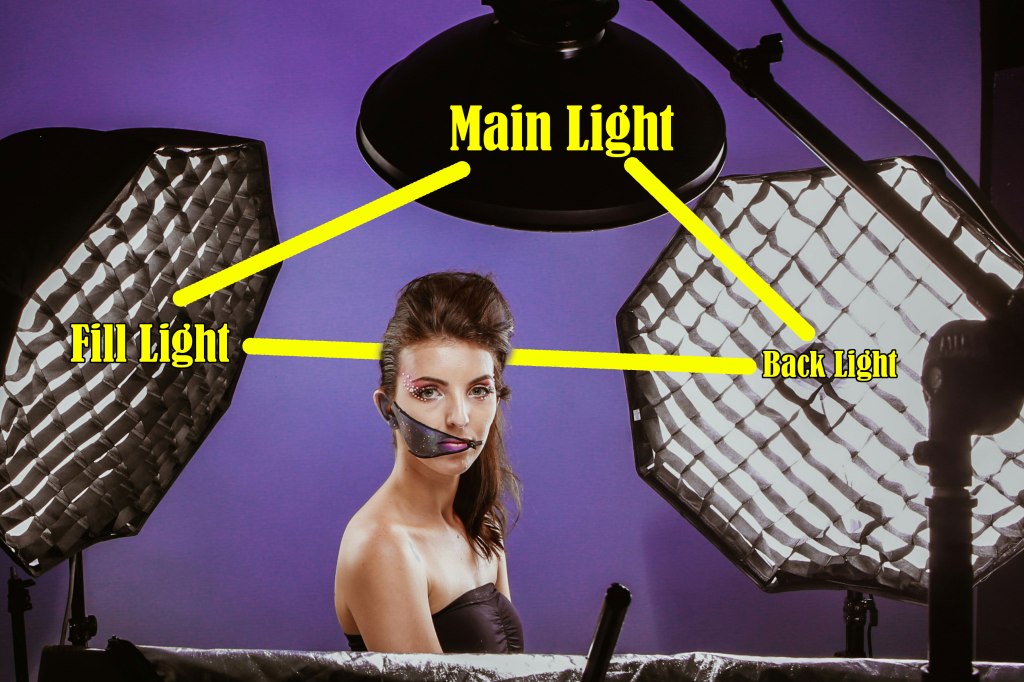
Fill light is always putting at the opposite direction of the Main Light. And Back Light is always come from the Behind.
Remark: Sometimes, Main light can come from Nature, like, sunlight coming from the window.
Make use the Shadow
Shadow = Drama
A correct shadow is put into portrait photography will lead a creative way of adding mood, drama and atmosphere.
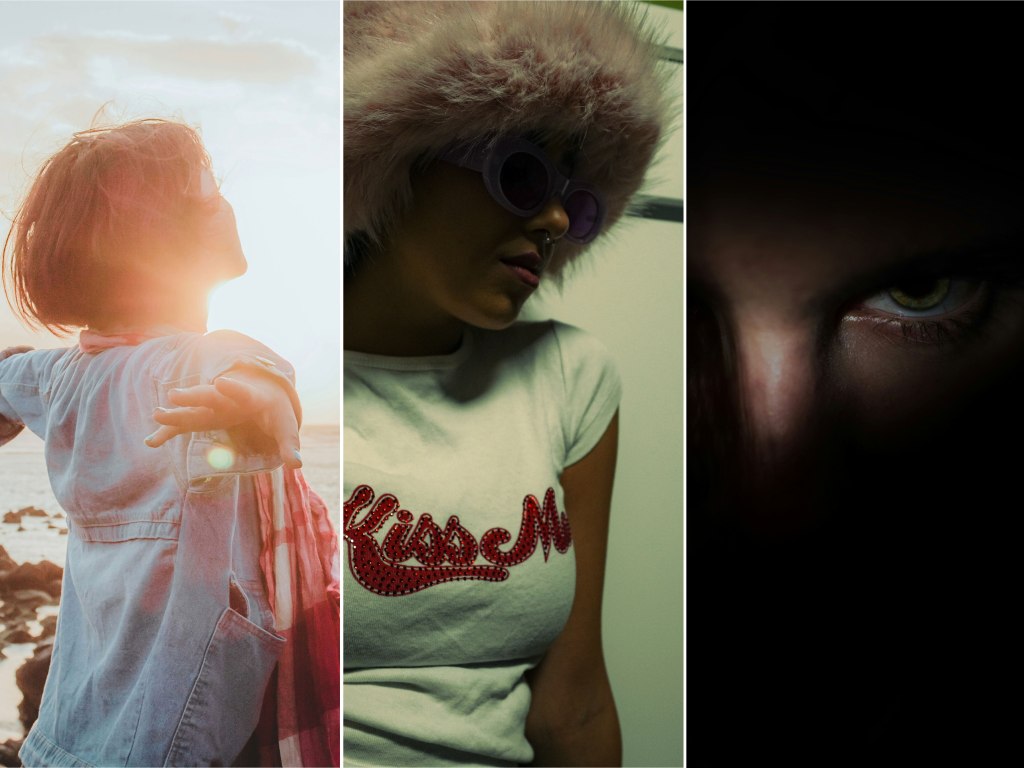
One Light Portriat
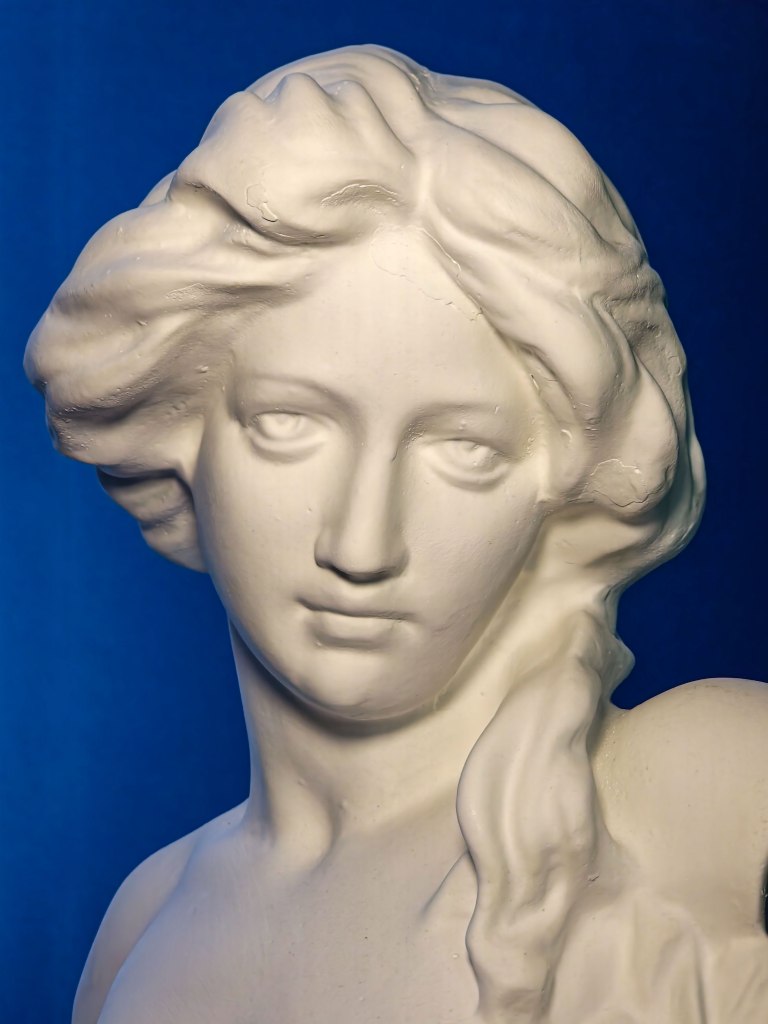
Flat Lighting
Put the Light and the subject from the same angle. Its purpose is to cast minimal shadows and fill the details of our skin to create a soft and flattering look. It will fill lines and imperfections. For this reason, it’s often used for beauty and fashion work.
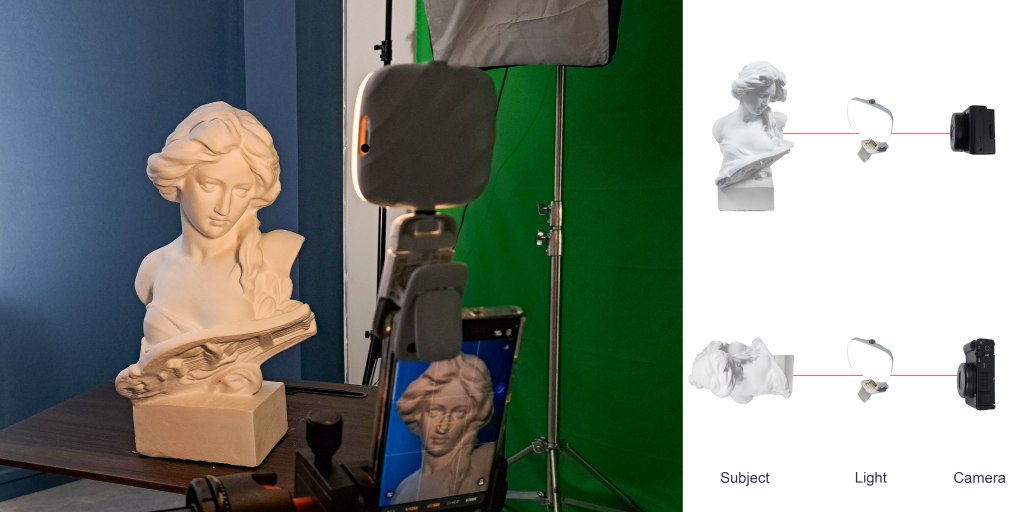
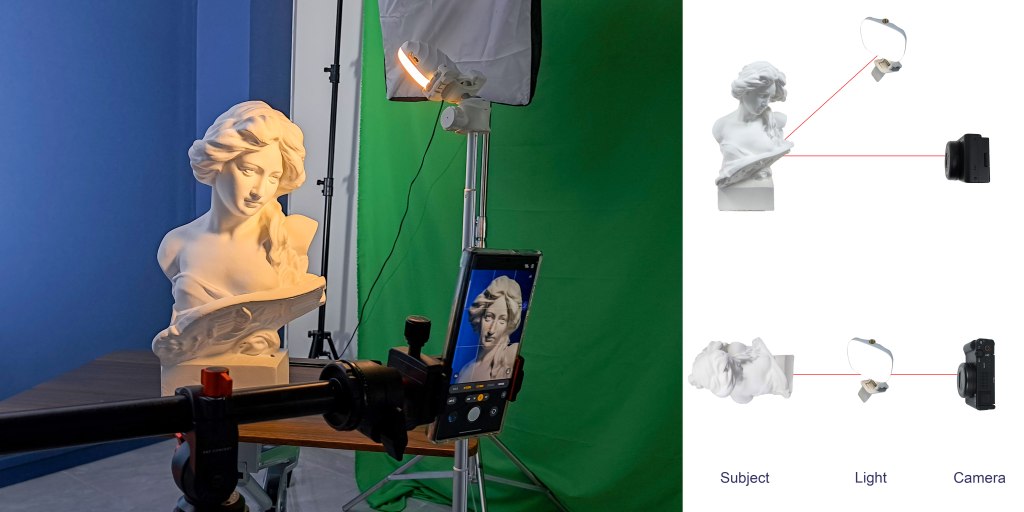
Butterfly Lighting
Bring up the Light to shoot down onto the subject’s face. (Trapacially, 45 degree) A butterfly shadow that appears right under the nose. It is also known as Paramount Lighting because Paramount studios who often used to use this lighting technique
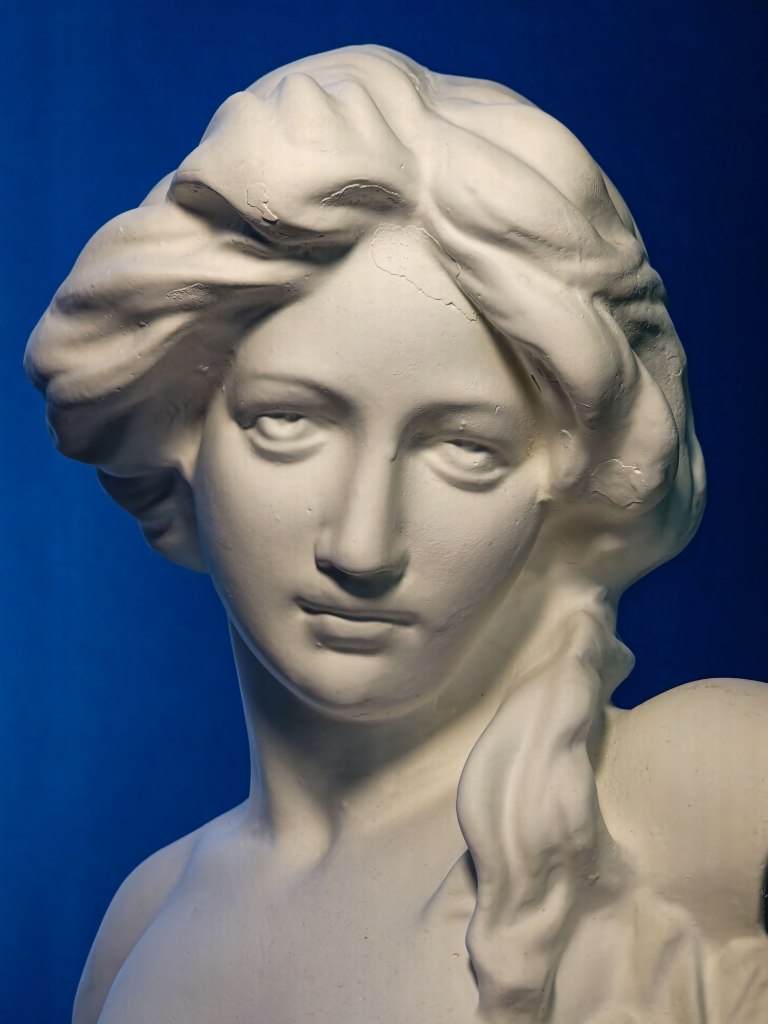
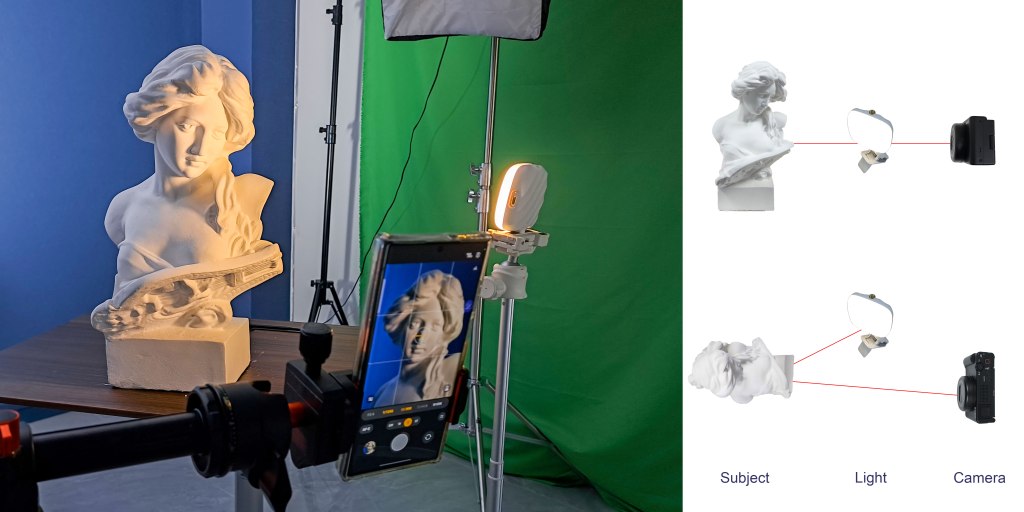
Loop Lighting
Move the angle of the light source about 25-35 degrees from the subject’s face. It introduce a little more directional shadow on our subject. Aim to keep a gap between shadows beneath the nose and the cheeks.
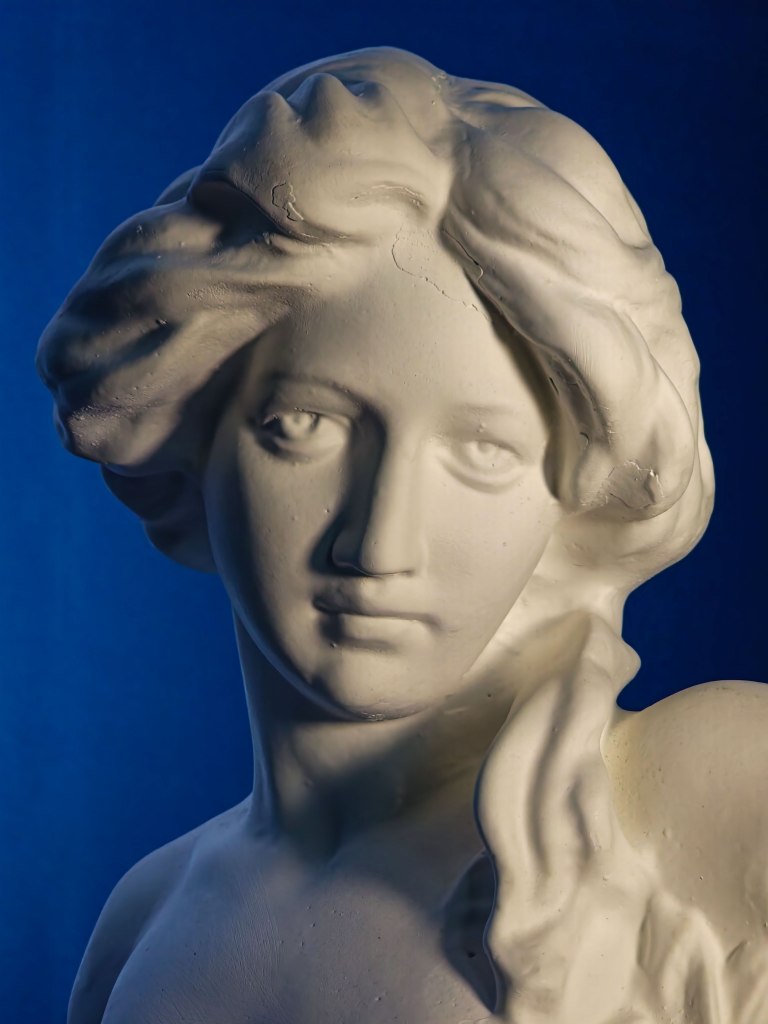
Rembrandt Lighting
Move the Light at a stronger angle to the face where now we only see triangle shape light over the Subject cheek and eye. It named by the painter Rembrandt who’d frequently use this lighting pattern for his portraiture.
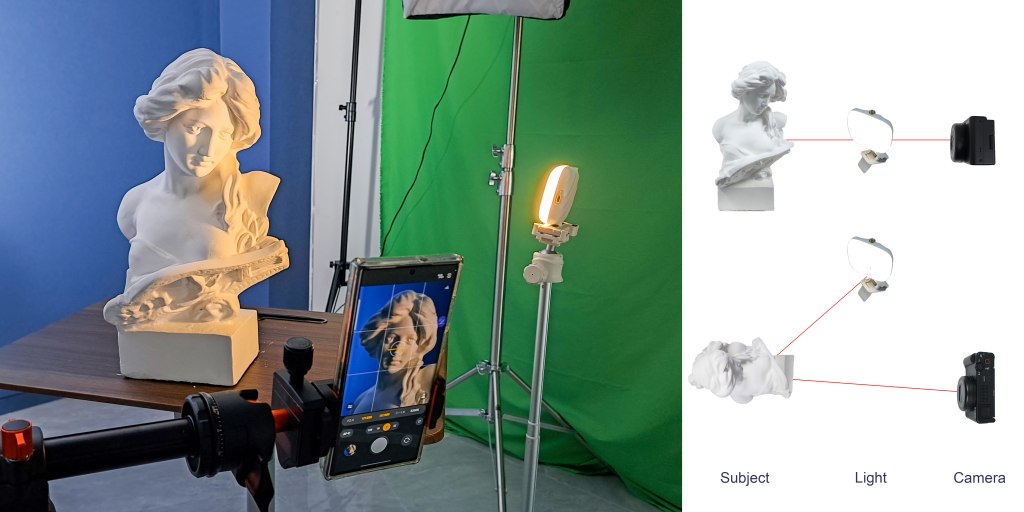
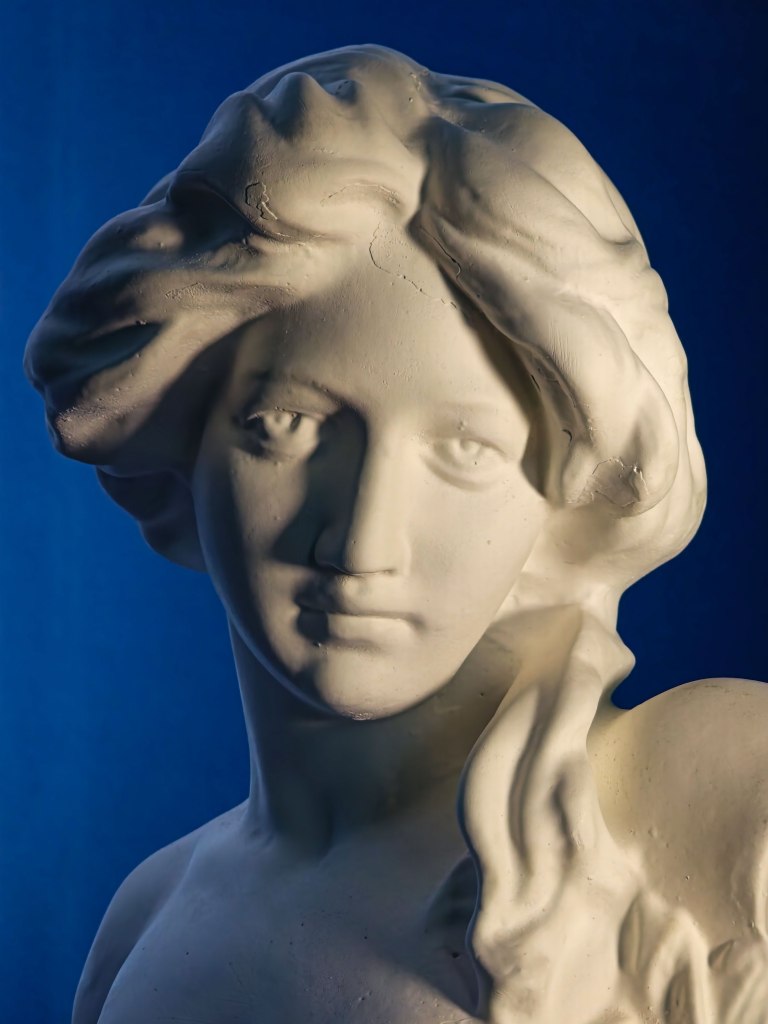
Split Lighting
The light comes directly from the side of our subject. It’s characterized by half of the face in light, versus half in shadow. Its intention is to show heavy shadows or light vs dark type concepts.

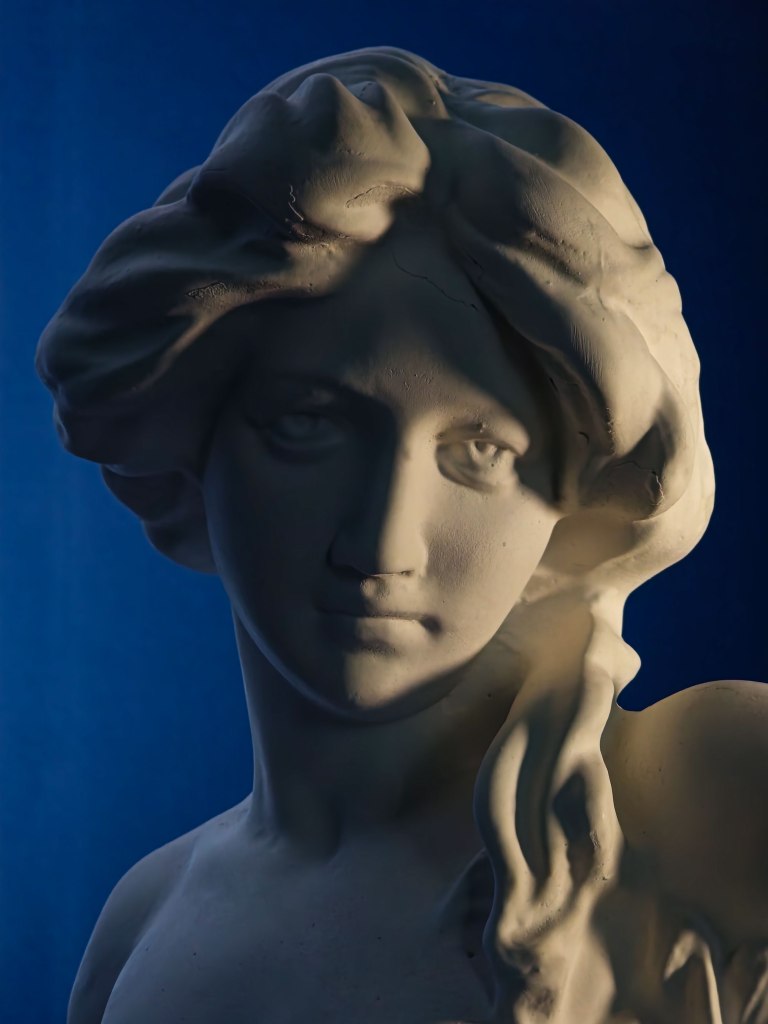
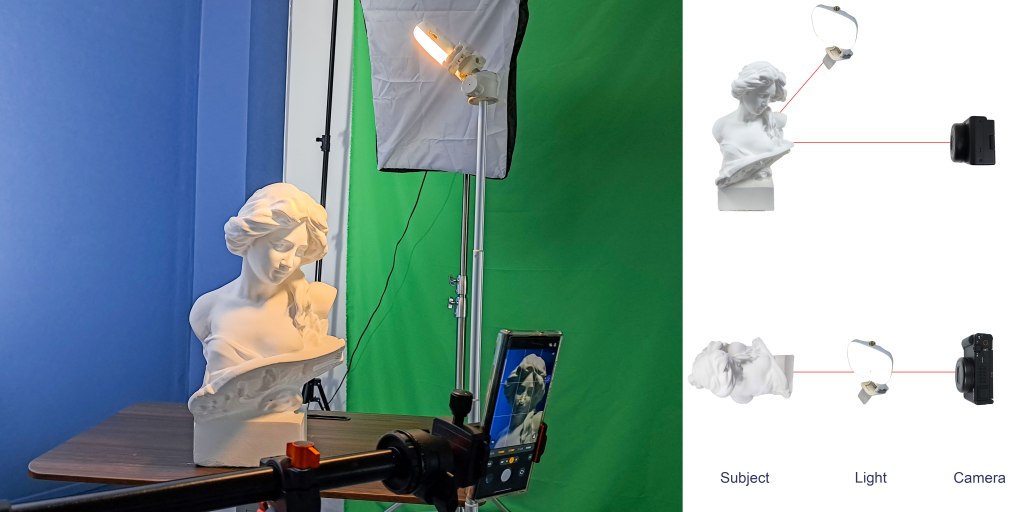
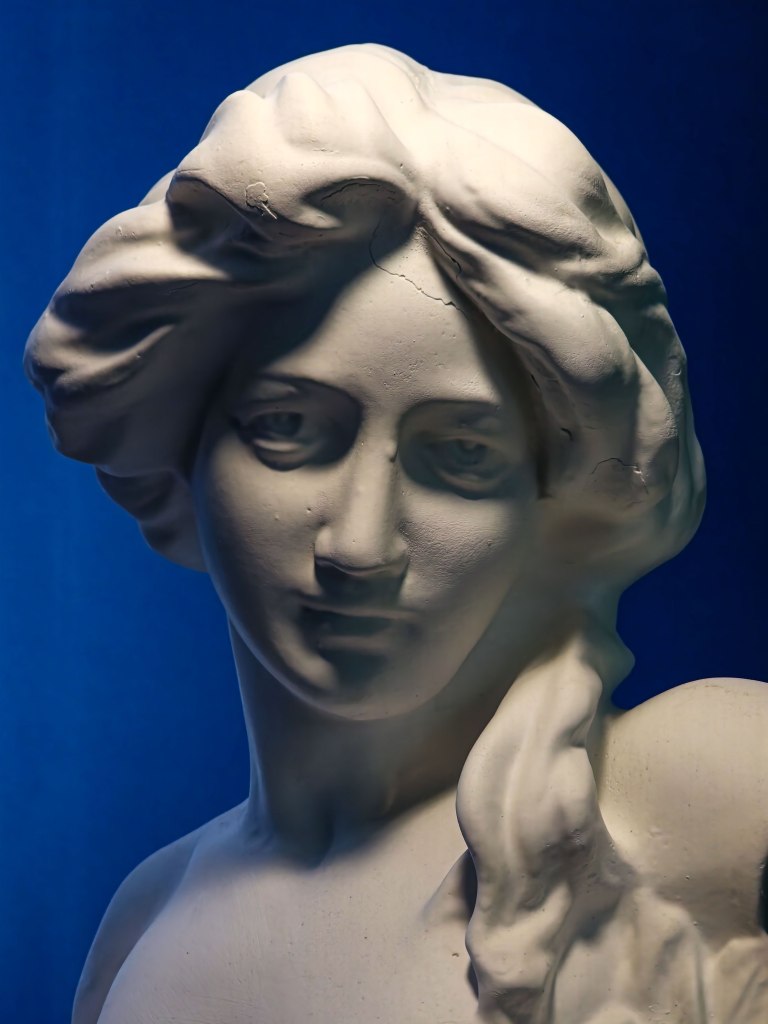
Overhead Lighting
The light is positioned above the subject. This technique is employed to create a specific effect and add intensity to the scene. It’s characterized by much more shadows directly under facial features.
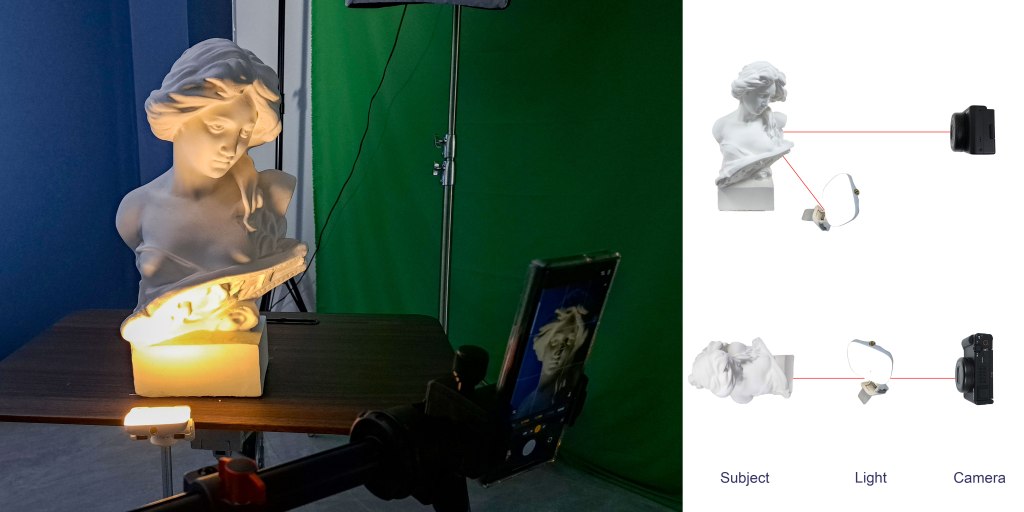
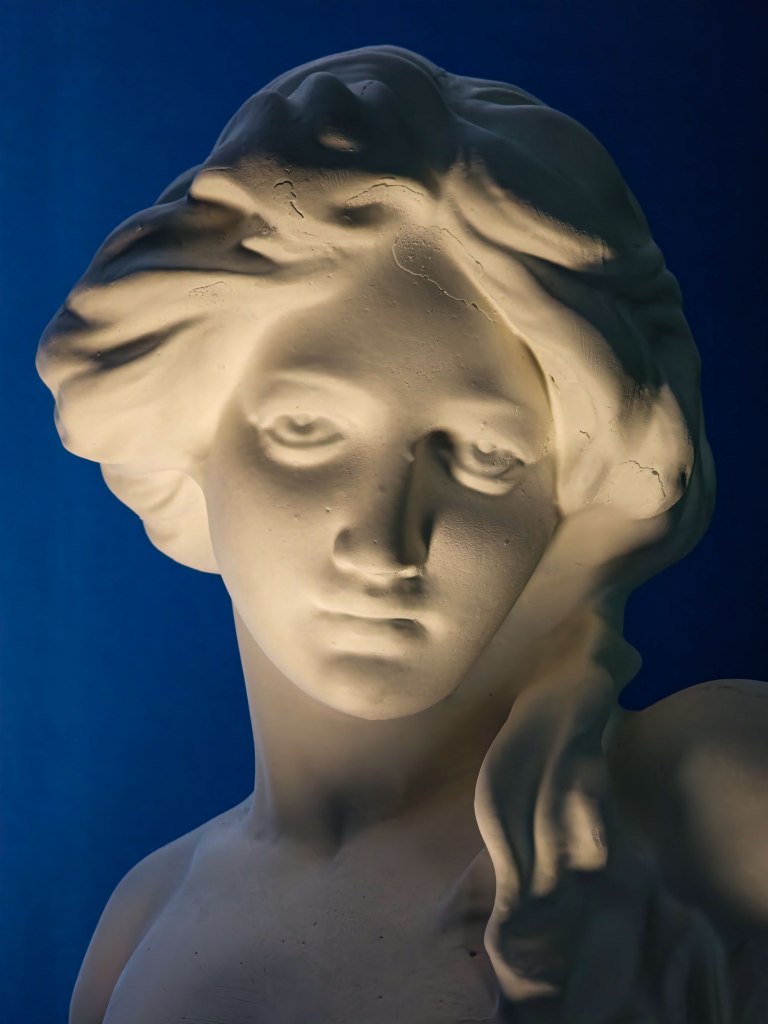
Floor Lighting
Position the light underneath your subject’s chin and let it highlight the eyebrows, tip of the nose and across the cheekbones. That will make the subject eye sockets look dark and ominous. This is also a fun joke to try with kids.
Conclusion
Photography is predominantly an art form and art has very few rules. But good setup of the lighting will be helpful for you telling the story behind.
 FotoZ
FotoZ 