
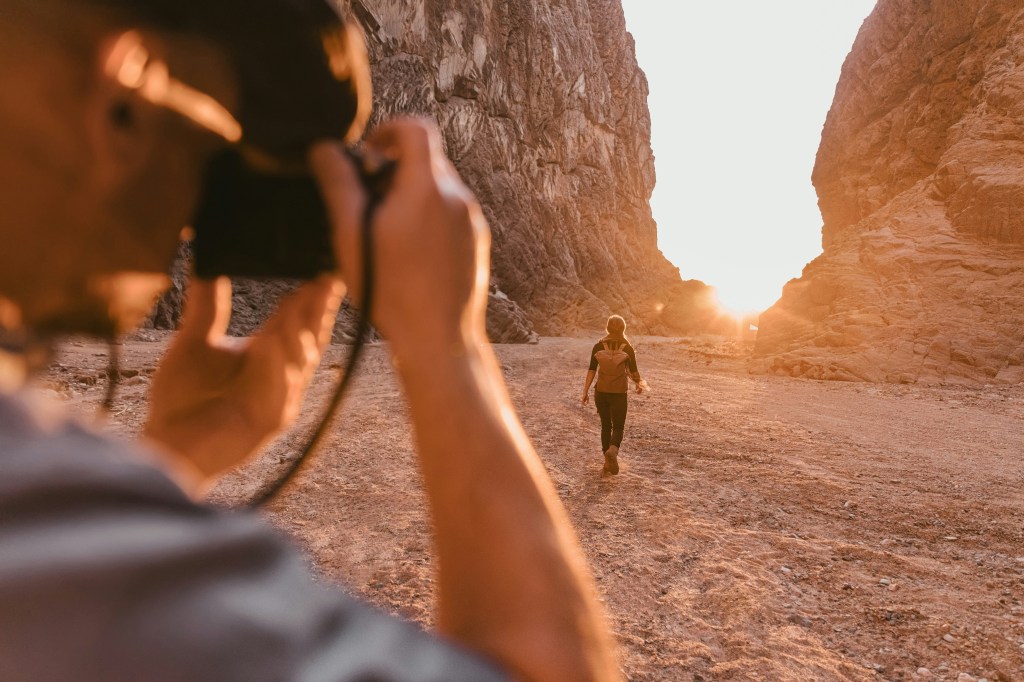
Many people misunderstand the concept of focal length. Contrary to what these people think, the focal length of a camera lens is not the physical size, and it has a little to do with its overall size. I will explain on this artical and how to choose the suitble focal length to you.
Defination of Focal Length
The focal length of a lens is an optical property of the lens. The exact definition is: Focal length measures the distance, in millimeters, between the “cross-over point” of the lens and the camera’s sensor
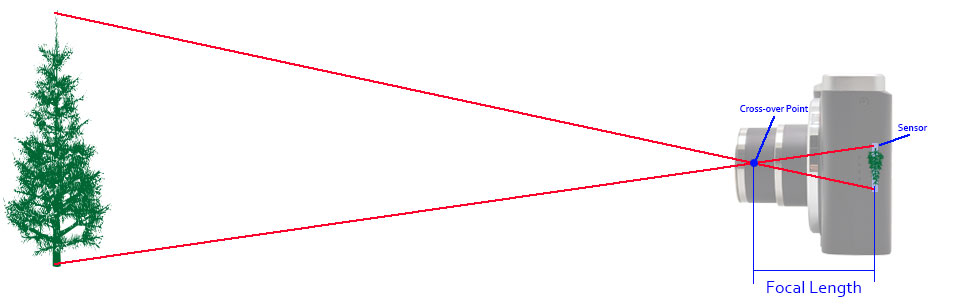
Remark: Focal length is determined when the lens is focused on very distance object (as known as infinity).
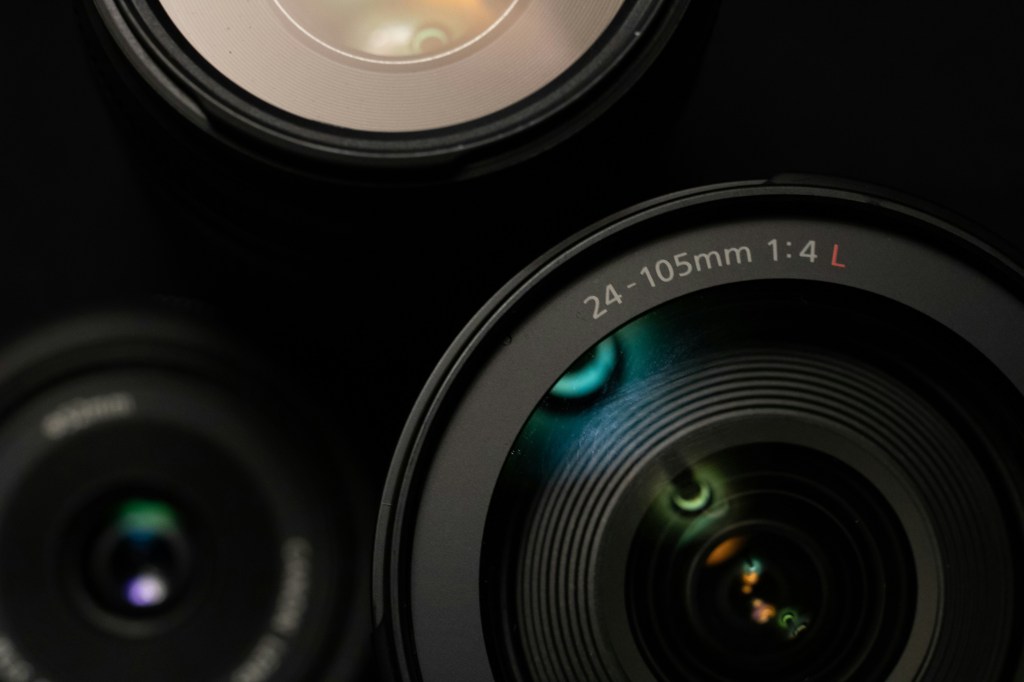
You can find the focal length information on the barrel of the lens, and almost every camera lens are named by its focal length. For example, a 24-105mm Zoom lens has a focal length between 24 millimeters to 105 millimeters.
Focal length is important because it relates to the field of view of a lens – that is not only how large or small a subject in your photo will appear. It is how much of the scene you’ll capture.
Maybe the technical definition of focal length is relevant to some people, But as photographers, it is more important to understand is what focal length looks like!
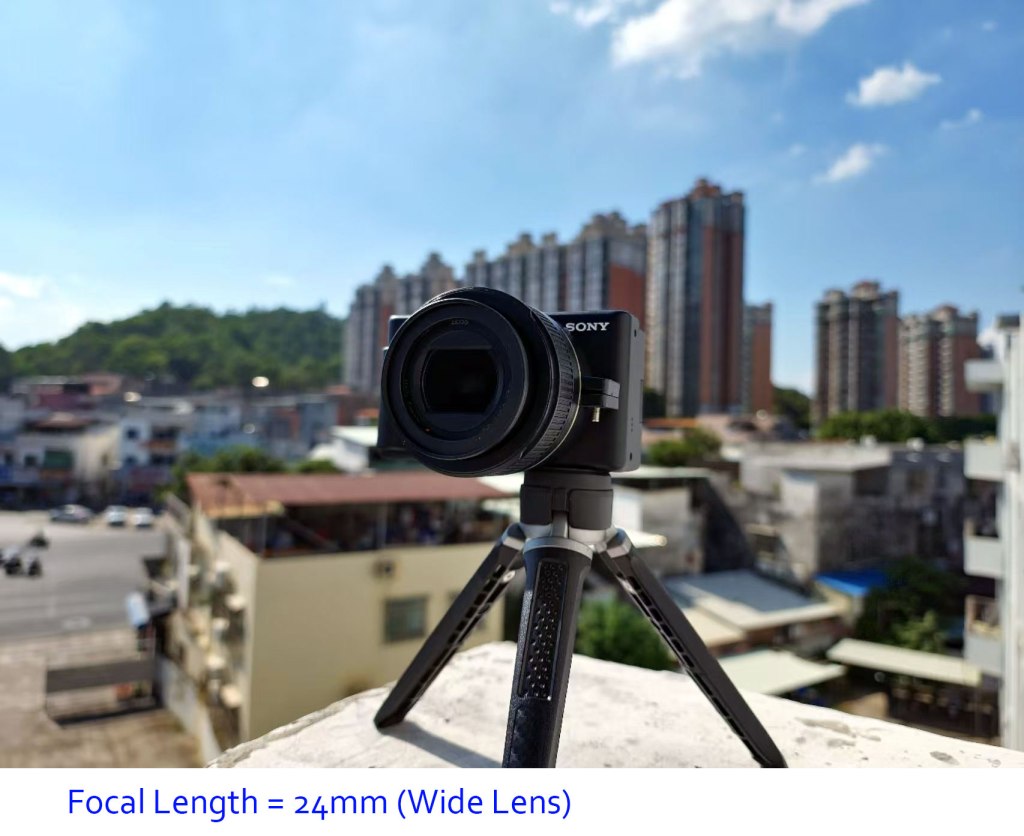
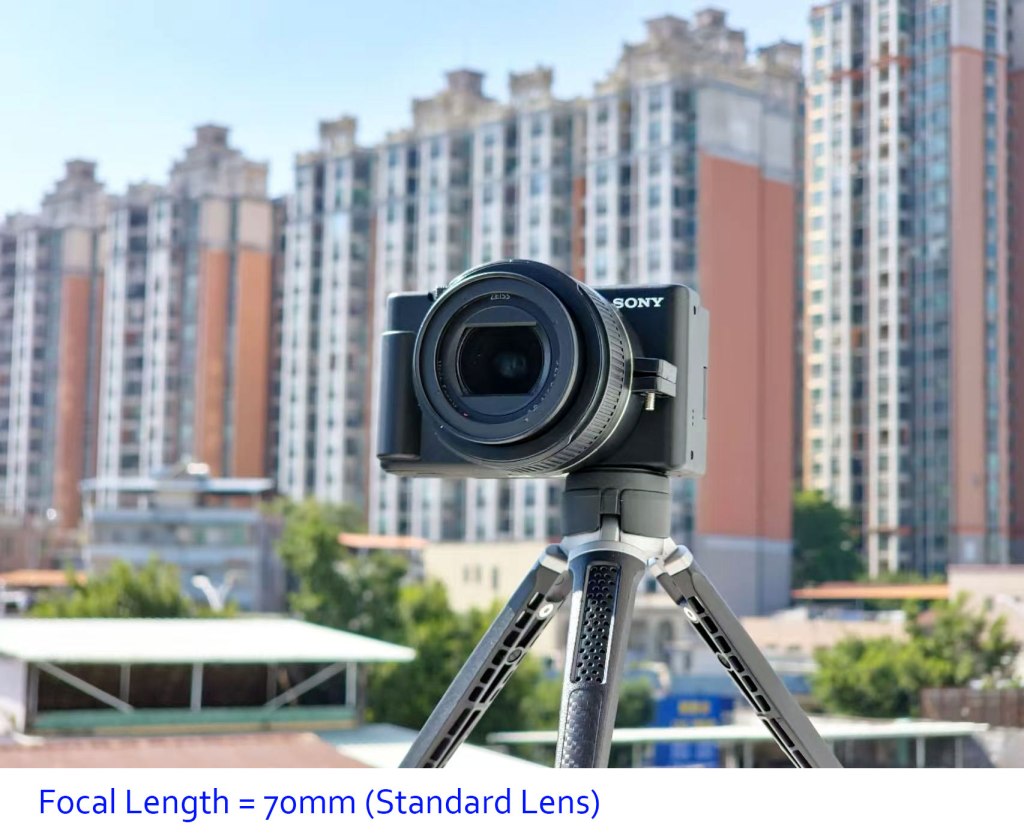
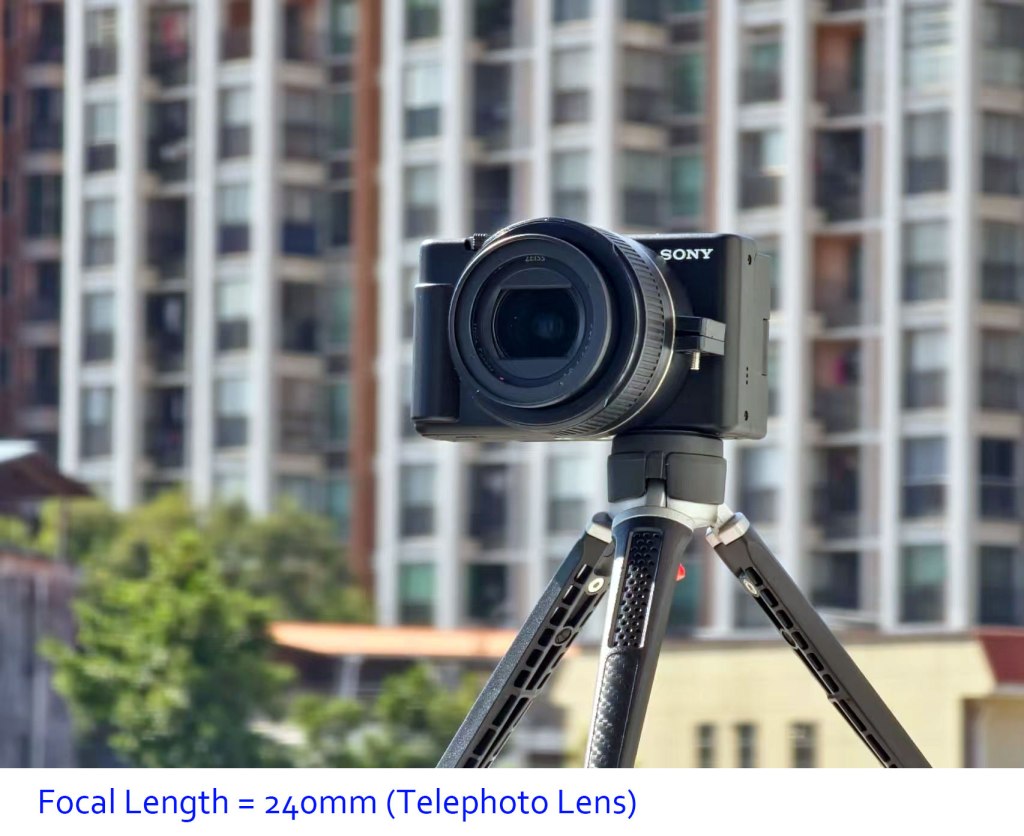
For another way to explain, please study the drawing below. It shows the approximate field of view of three different lenses: a 500mm Telephoto lens at one extreme, a 20mm Wide lens at the other extreme, and also a 50mm standard lens.
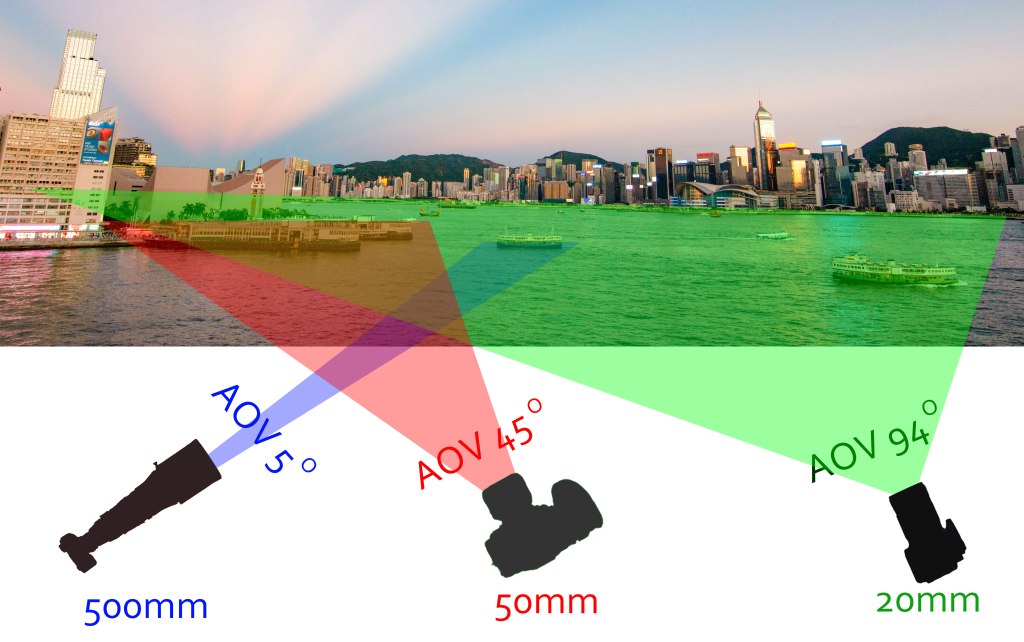
As you change focal length, you will change what’s in your photo. You may choose a wide-angle lens (like 20mm) if you want to capture the whole habour view. Meanwhile, you may choose a telephoto lens (like 500mm) if you want to zoom in on a ferry crossing the sea.
Cropping the photo can change the focal length?
No, you can’t. Focal length is an innate property of a lens. It’s the distance between the cross-over point and the camera sensor, so it isn’t something that cropping affects. Similarly, you can not change the focal length to just walk away from the Photographic subjects for few feets.
And the cropping photo issue the other topic of the camera, Sensor Size which will be explainned below.
Camera Sensor Size
Digital cameras come with varieties of camera sensor size. For example, a full-frame camera sensor has the same size as traditional 35mm-style film (specifically, 36 x 24 mm). From there, other cameras have larger or smaller sensors.
Because different sensor size is basically like cropping the photo, your camera sensor size will change the field of view of your photo.
Here I show the cropping result.
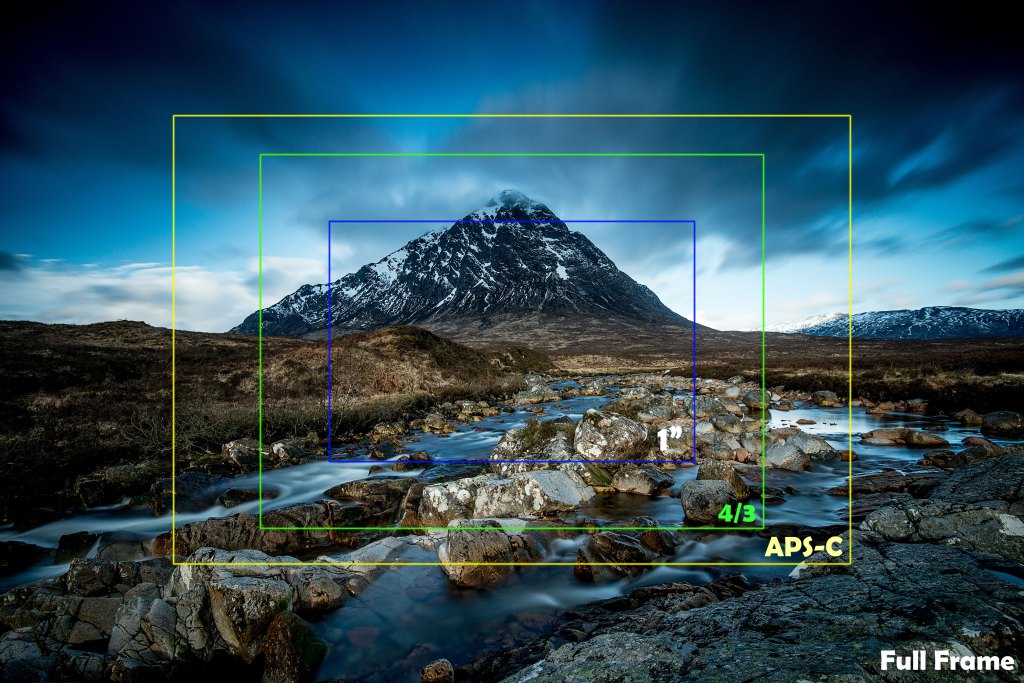
Effective Focal Length
How do you know which focal length will provide the same field of view on your camera? It will be related to the “Crop Factor”. Crop factor calculate the converting lenses across cameras.
The definition of crop factor = the size of a full-frame camera sensor, relative to the size of your camera sensor (measured diagonally).
Canon’s APS-C cameras always have a 1.6× crop factor. i.e. If you have a Canon APS-C cameras, just multiply your lens’s focal length by 1.6 to find your “effective focal length” on a full-frame camera. For example, if you have a 18mm lens on it, the effective focal length is 28.8mm.
Sony’s & Nikon’s APS-C cameras have a roughly 1.5× crop factor. And Micro 4/3 cameras have even smaller sensors with a crop factor of 2.0×. Smartphones and point-and-shoot cameras have increasingly more extreme crop factors than this, such as 4× and 5×.
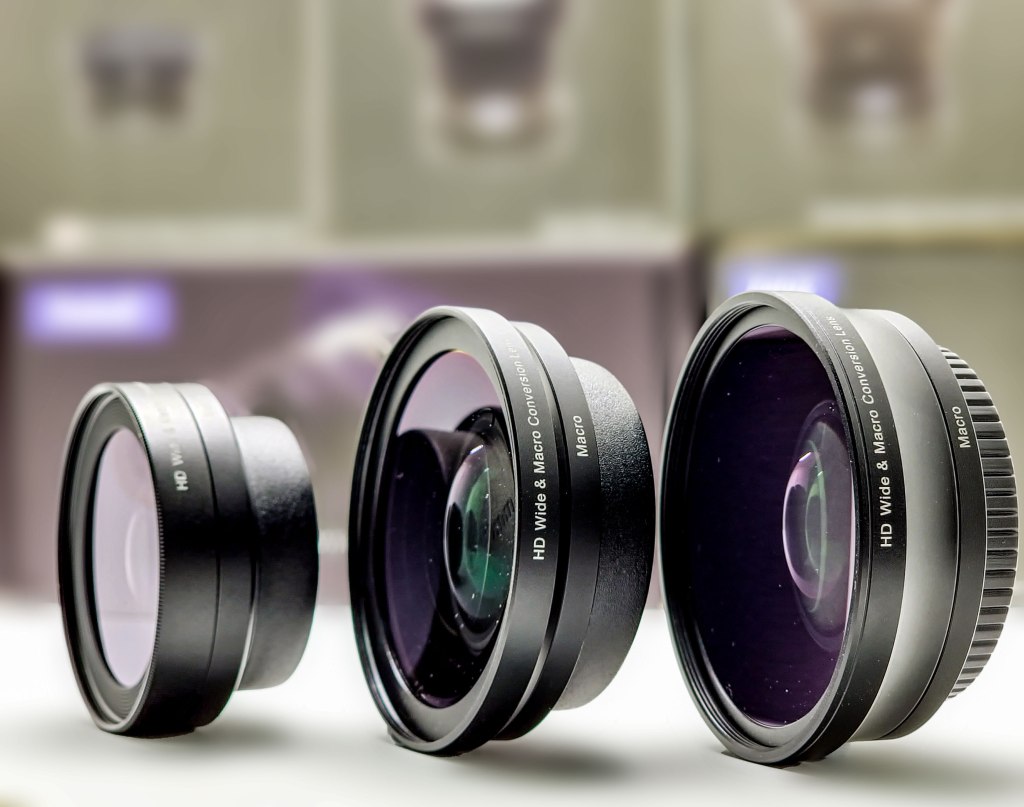
That is why the camera field of view is not as wide as you expected. And that is the reason you need a Wide conversion lens roughly 0.75x.
Categorizing Common Focal Lengths
Photographers generally divide lenses into five main descriptive categories.
Below 24mm
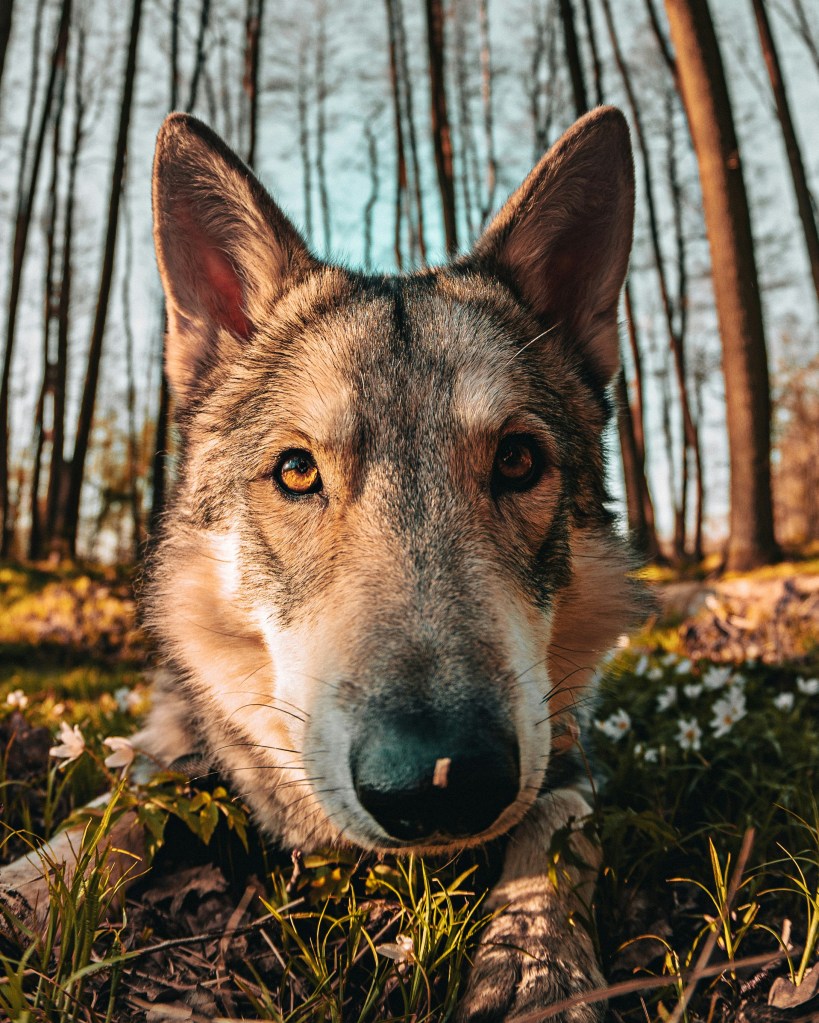
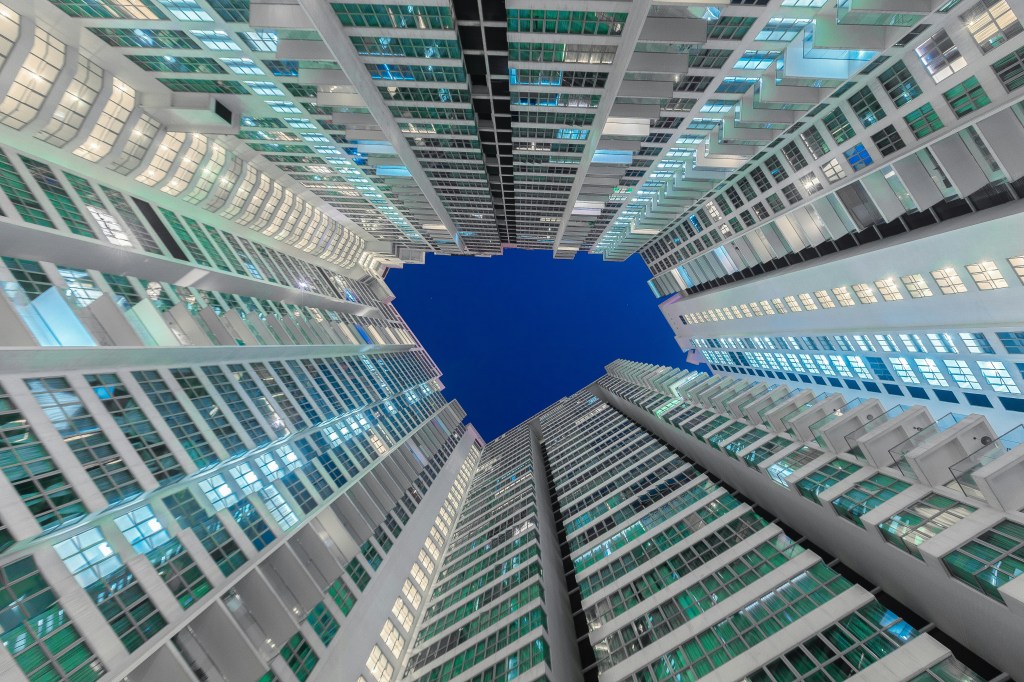
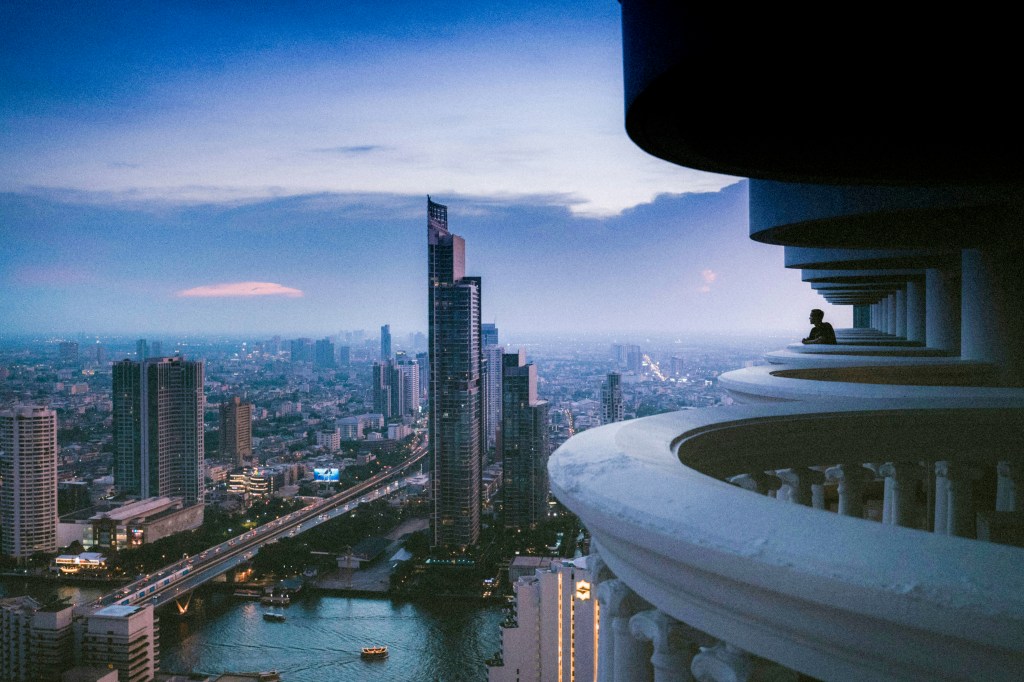
Ultra-wide lenses have a focal length of less than 24mm (all of these numbers are in 36mm equivent). They capture incredibly broad views. They often present a distorted or exaggerated view of the world. They are great lenses for landscape photography, real estate photography or architectural photography. And they’re fun for special effects if you get up close to your object.
24 – 35mm
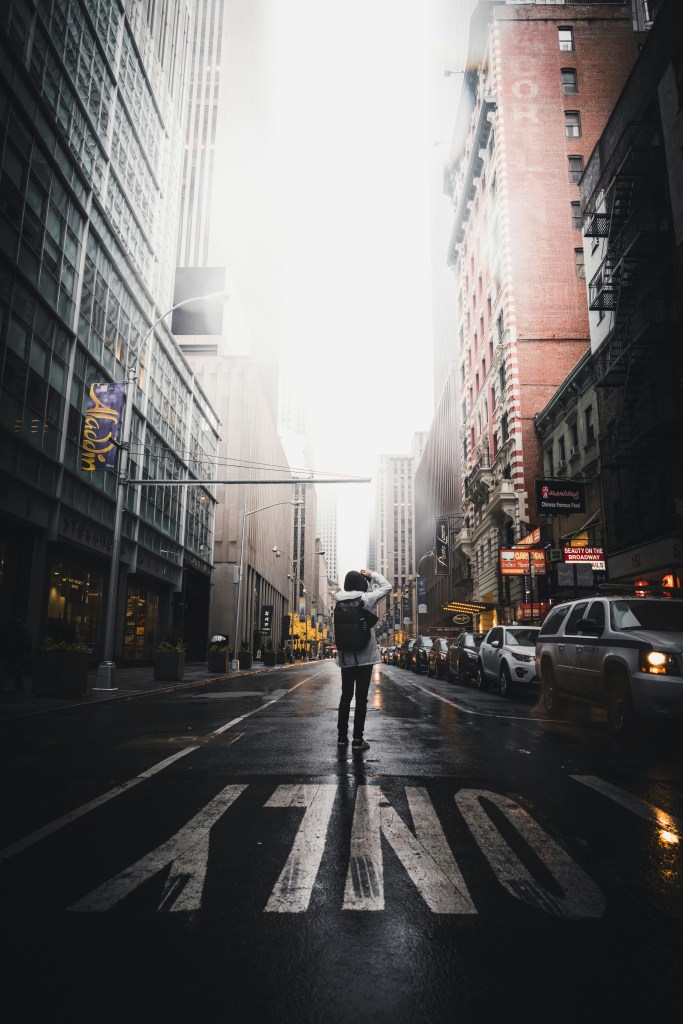
Wide-angle lenses have an equivalent focal length in the range of 24mm to 35mm. These lenses are also a wide view and often used by landscape and architectural photographers, which have less perspective distortion than an ultra-wide lens, so they usually won’t look as exaggerated and don’t usually give very unusual effects.
35 – 70mm
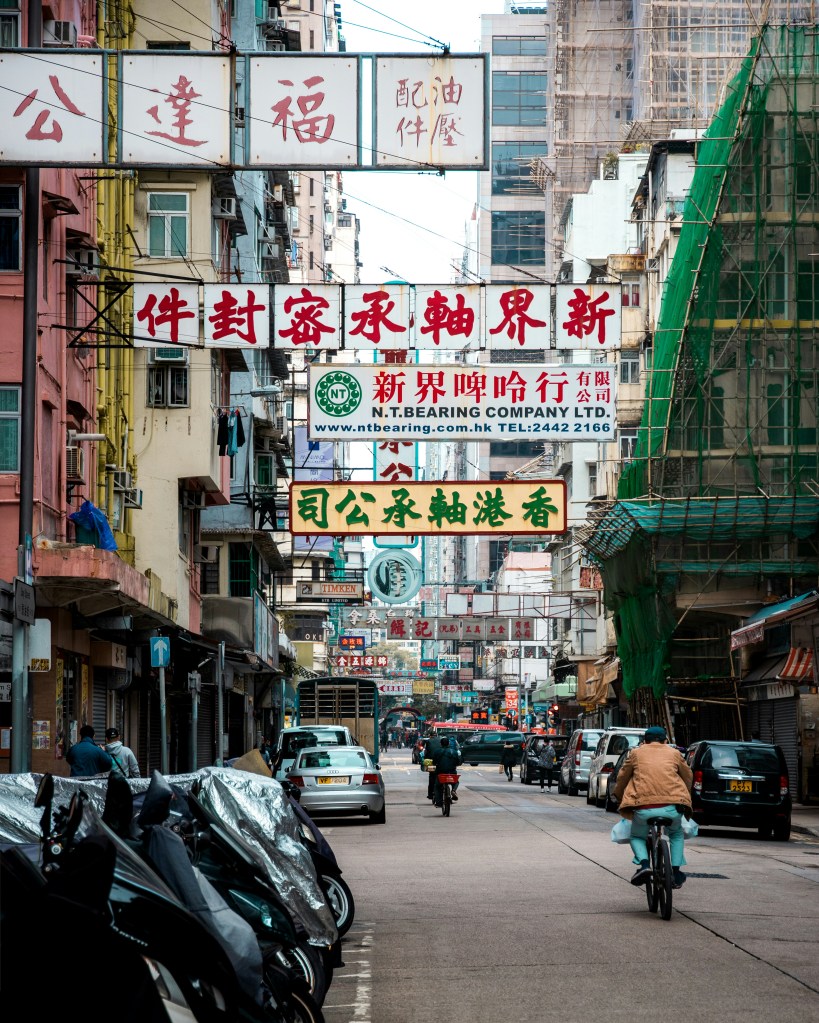
Standard lenses have focal lengths between 35mm and 70mm. That is very similar to how our eyes see. They have minimal perspective distortion, and they are a favorite of many types of photographers, like, Street photography and event photography. Some landscape photographers will use them for scenes that don’t demand the sweeping, wide-angle view.
70 -300mm
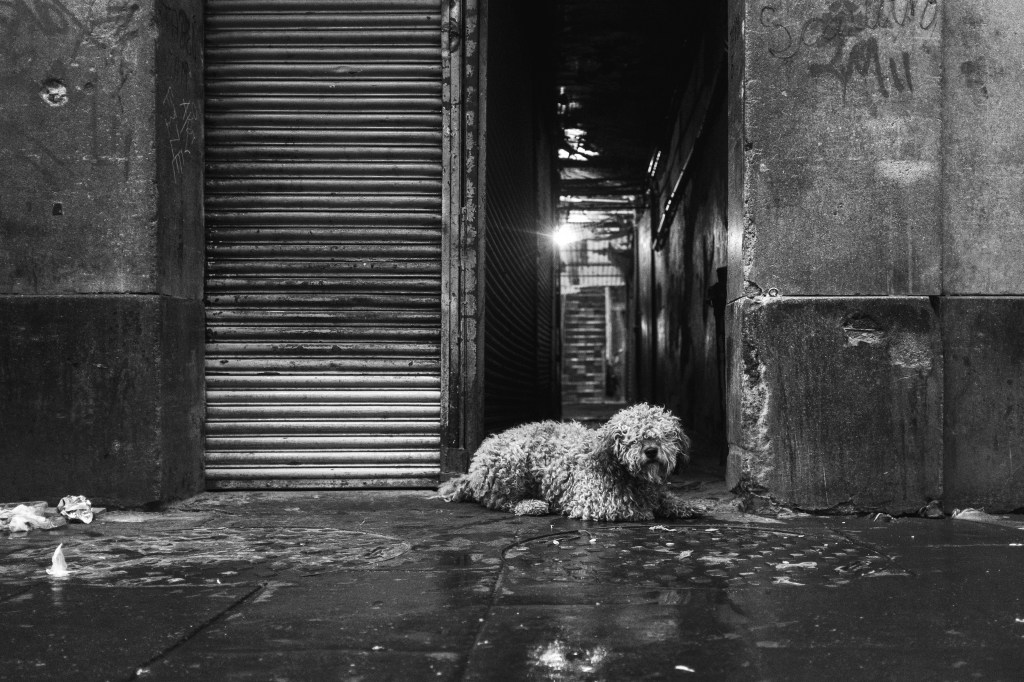
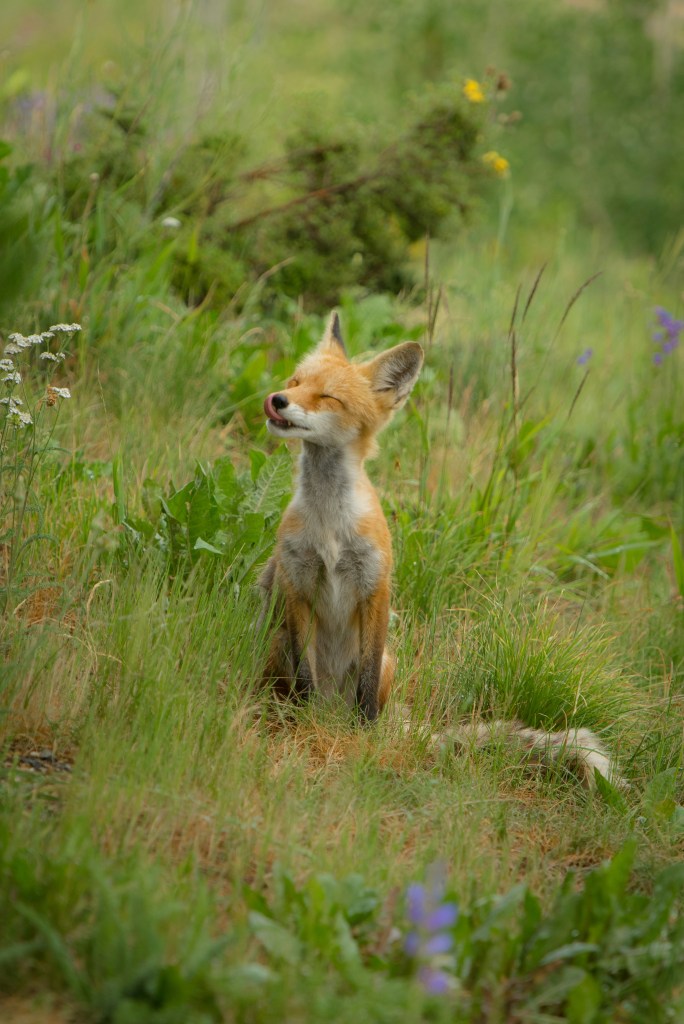
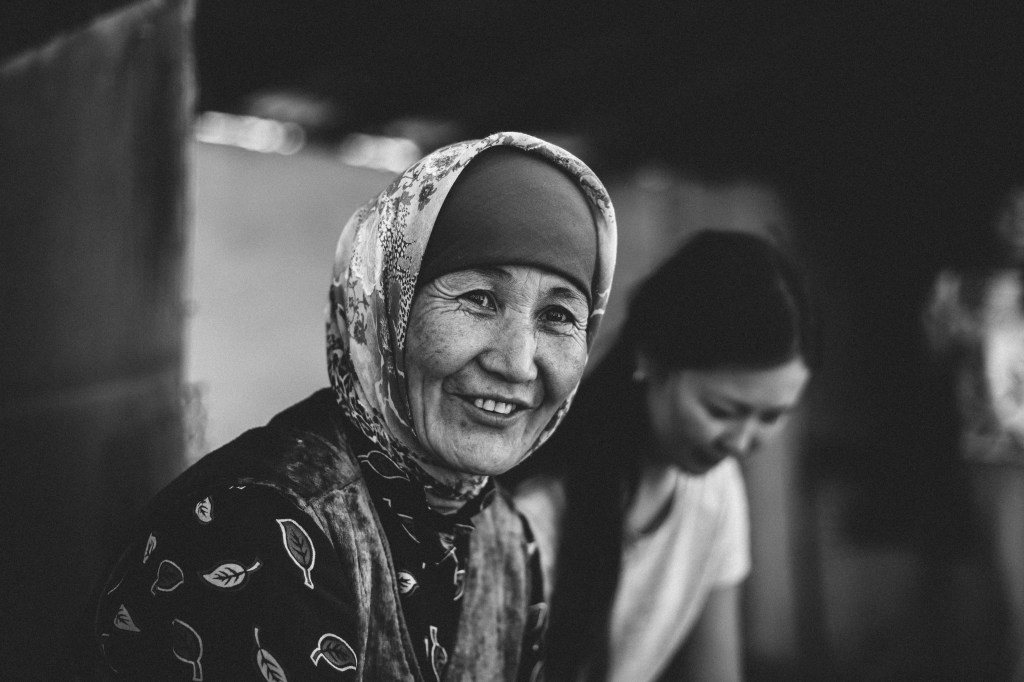
Telephoto lenses have focal lengths between 70mm and 300mm. They are regularly used by Wildlife photographers that is difficult to get too close. They are also popular for portrait photography.
300mm +
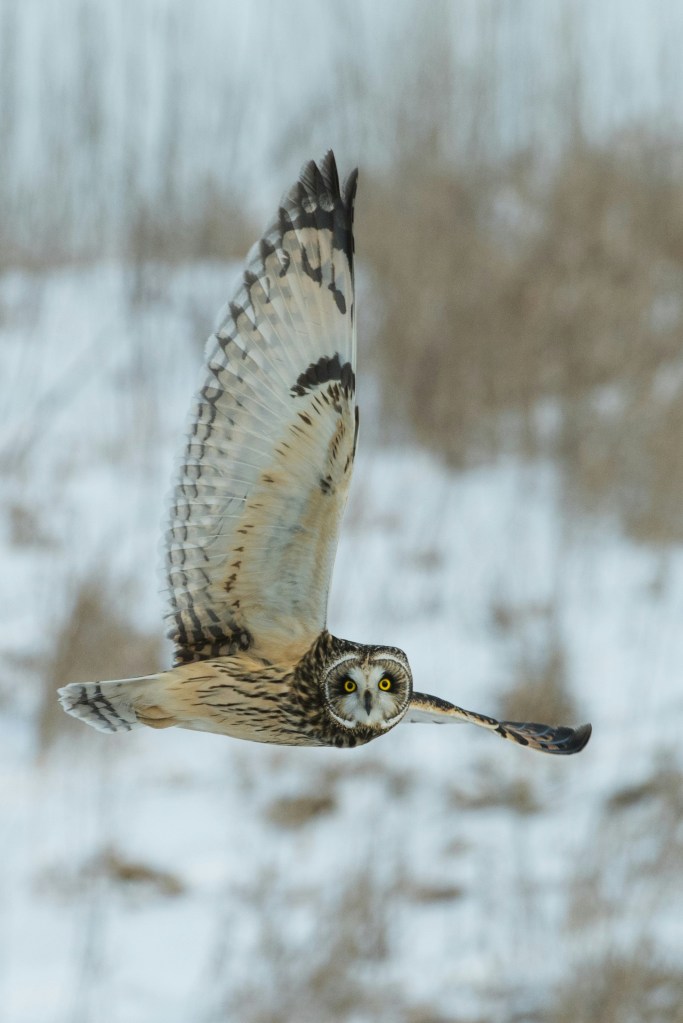
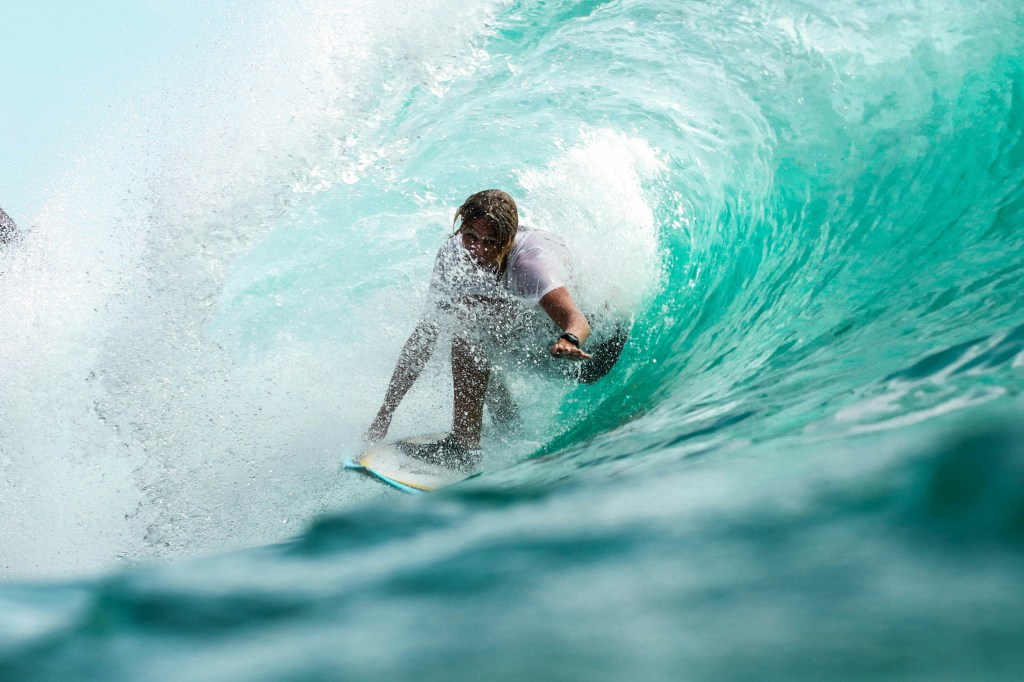
Super-telephoto lenses have focal lengths bigger than 300 mm. They are often used for photographing wildlife, sports, and other small or distant subjects. These lenses can be very large and heavy and may use a tripod to support. They are also very expensive, sometimes over $10,000.
Small Tips
#1
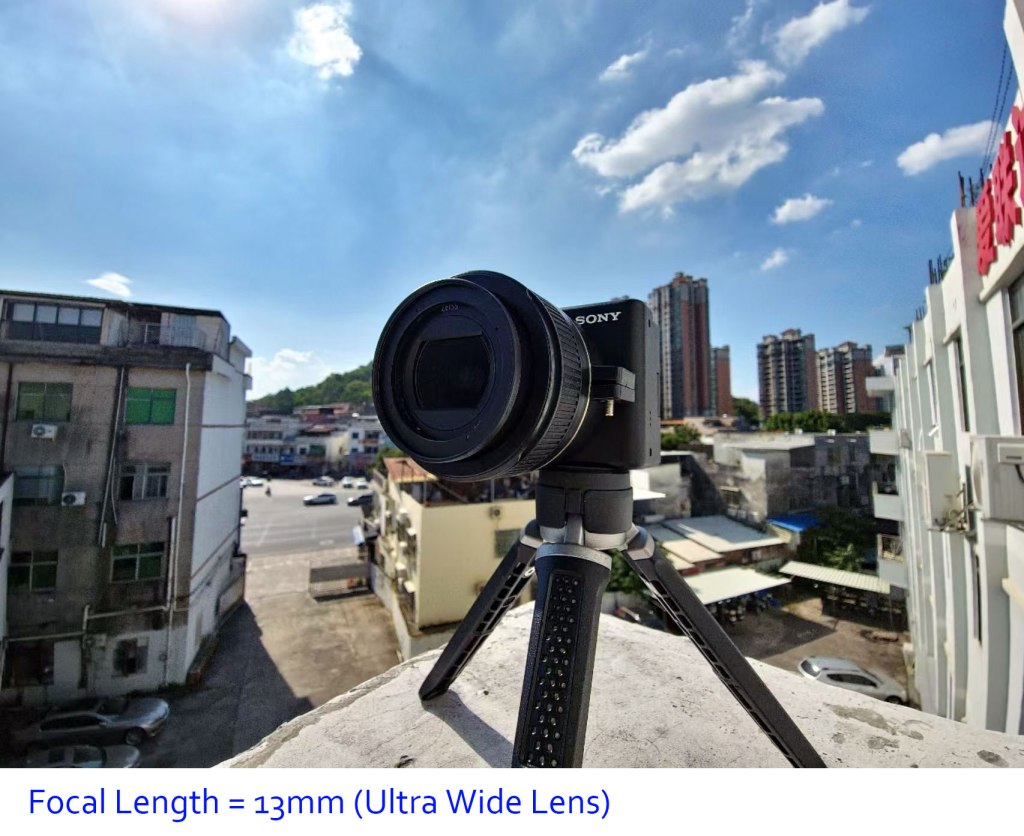
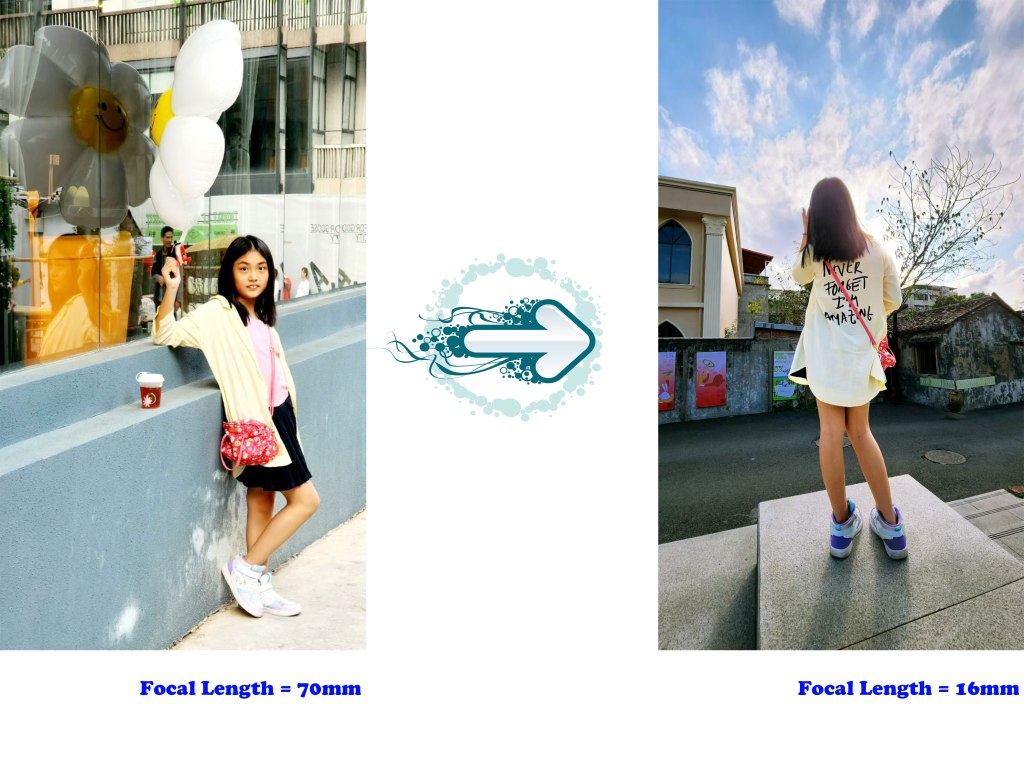
When you are using the Ultra Wide Lens, there will be bigger distortion than Standard Lens. Good Photographer will make use of it. For Example, on portraits photography, the model will look taller if you put her leg on the lower half of the Photo.
#2
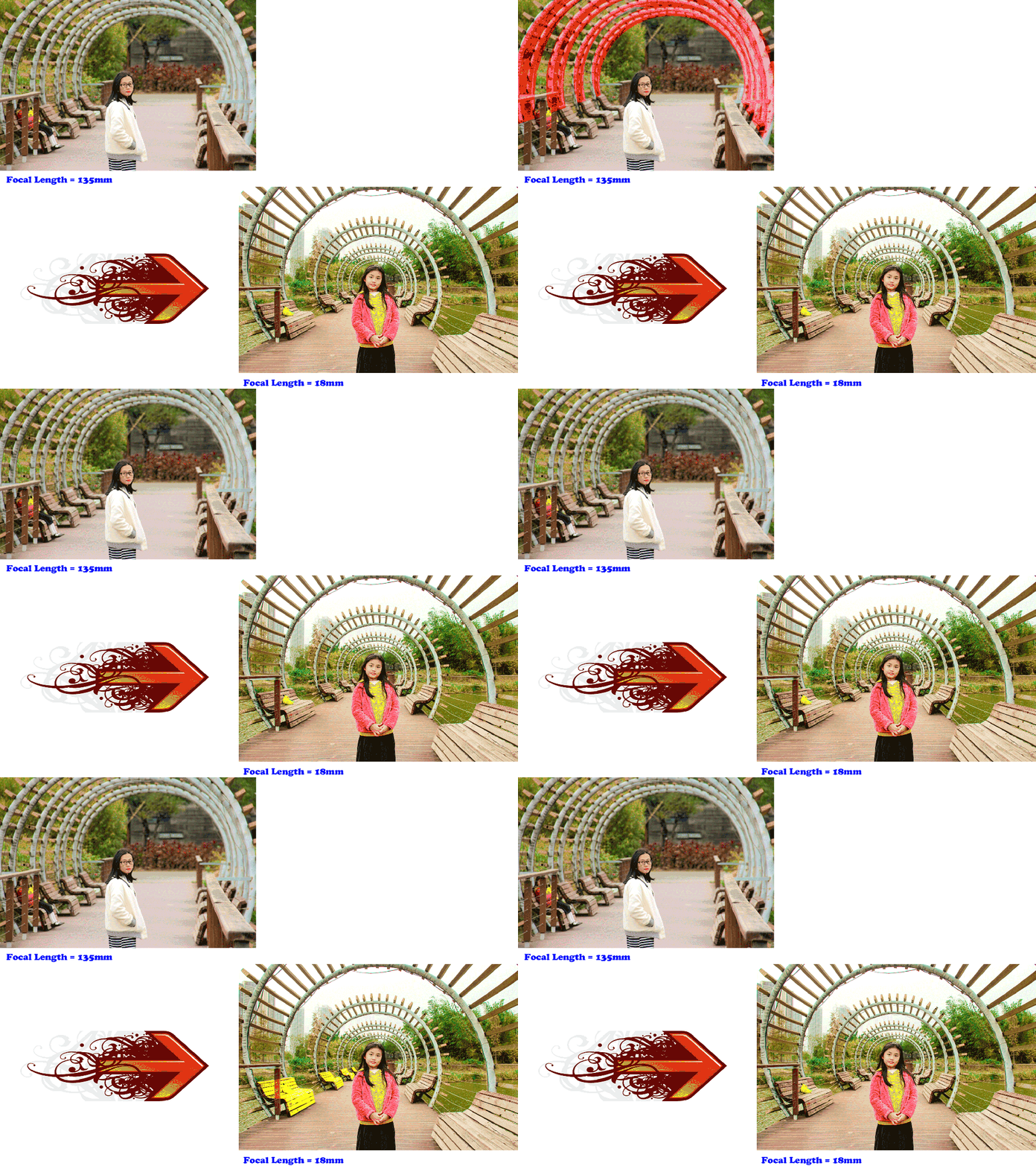
When you use Telephoto Lens to take a picture, the background will be compressed. Sometime, that will make the environment smaller than our sight. Therefore, we may need to make use of ultra wide lens for some scenery. For example, Real estate photography always need a Ultra Wide Lens.
Conclusion
“Photography is the recording of strangeness and beauty with beguiling precision.” – Sebastian Smee
It is funny to using a camera to give answer. And we hope to provide to you one more choice of the focal length by providing a series of Conversation lens for your camera.
Finally, the more you photos you take, the better you’ll understand focal length.
“Your first 10,000 photographs are your worst.” – Henri Cartier-Bresson
 FotoZ
FotoZ 